


Are You Carrying Stress in Your Shoulders?
Most people think tension is just part of the job. Long hours, tight deadlines, endless notifications — and suddenly your shoulders are up around your ears. But that tightness isn't just discomfort. It's your body waving a red flag. And if you ignore it long enough, you're not just sore — you're setting yourself up for chronic pain, restricted movement, and a cascade of issues that ripple through your neck, back, and beyond.

So here's what we know. Stress doesn't just live in your head. It settles into your muscles, especially the ones that hold you upright and keep you moving. Every email you fire off while hunched over a laptop, every commute where your grip tightens on the wheel — it all adds up. And your shoulders? They're keeping score.
Your Body Braces Without Asking Permission
Nine times out of ten, shoulder tension starts as a reflex. Something stresses you out, and your muscles contract to protect you. That's biology. Your nervous system kicks into gear, prepping for action even when there's no real threat. The problem? Most of us never fully release that tension. We carry it from meeting to meeting, day to day, until it becomes the baseline.
When that tension becomes chronic, it's not just tight muscles anymore. It's fatigue. It's headaches. It's waking up stiff and going to bed worse. And if your posture's already compromised — forward head, rounded shoulders, all that desk-life stuff — the stress compounds. What started as a reaction becomes a habit your body can't shake.
The Warning Signs You're Holding Too Much
Want to know if stress has taken up residence in your shoulders? Your body will tell you — if you're paying attention. Most people aren't. They push through the tightness, pop some ibuprofen, and keep moving. But the signs are there, and they're worth noticing before things escalate.
- Persistent stiffness that doesn't ease up, even after rest
- Tension headaches that start at the base of your skull and radiate forward
- Difficulty turning your head or lifting your arms without discomfort
- Shoulders that creep upward without you realizing it
- Soreness when you press into the muscle, like there's a knot that won't budge
Why the Shoulders Take the Hit
Your shoulders aren't just joints — they're connectors. They link your arms to your torso, support a massive range of motion, and stabilize your upper body through just about everything you do. When stress hits, your body instinctively tightens the muscles in this region to brace for impact. It's a survival mechanism. The problem is, modern stress doesn't come with a clear resolution. There's no bear to outrun. Just an inbox that never empties.
Add in hours of sitting, poor ergonomics, and a forward head posture that's become the default for most of us, and you've got a recipe for chronic tension. Your shoulders weren't designed to hold that load indefinitely. But without intervention, that's exactly what they're doing.
How to Actually Release the Tension
Relieving shoulder stress isn't about one magic fix. It's about building habits that interrupt the cycle before it locks in. Most people wait until the pain is unbearable. We're saying start now — before it gets there.
- Check in with your body multiple times a day and consciously drop your shoulders
- Stretch regularly with shoulder rolls, neck tilts, and arm circles to keep muscles loose
- Adjust your workspace so your screen is at eye level and your arms rest comfortably
- Practice deep breathing or progressive muscle relaxation to calm your nervous system
- Use massage tools or schedule regular bodywork to break up stubborn knots

Movement Keeps Muscles From Locking Up
Sitting still for hours on end is one of the fastest ways to cement tension into your shoulders. Your muscles need movement to stay flexible and resilient. That doesn't mean you need to hit the gym every day — though it helps. It means taking breaks, stretching between tasks, and giving your body a chance to reset.
Yoga, swimming, walking — anything that gets your shoulders moving through their full range of motion will help. The key is consistency. A daily stretching routine every few hours beats a single hour-long workout at the end of a brutal week. Your muscles respond to frequency, not intensity alone.
When DIY Isn't Enough
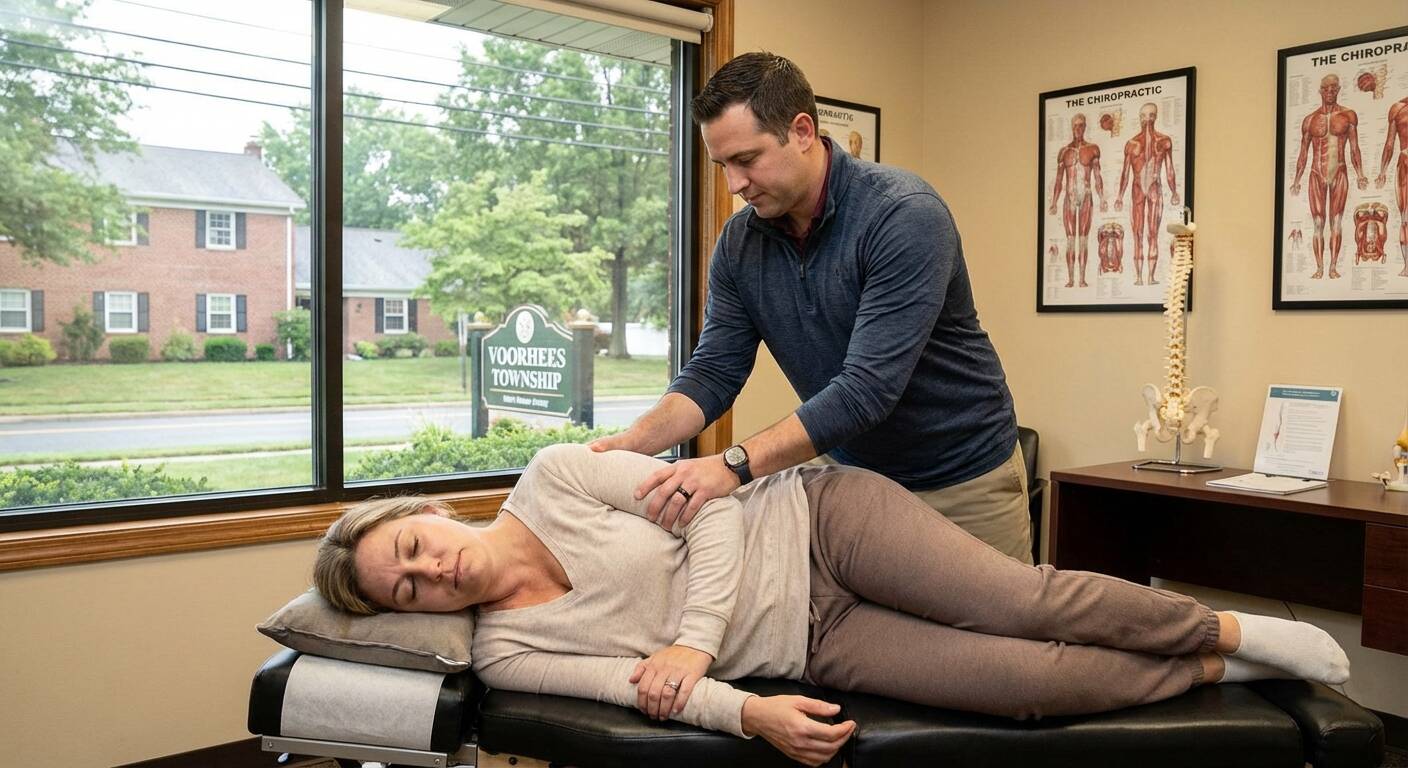
If your shoulder tension has crossed into chronic pain, numbness, or limited mobility, it's time to bring in a professional. Physical therapists, chiropractors, and massage therapists can assess what's going on beneath the surface and give you targeted strategies to address it. Waiting it out rarely works. And trying to push through can make things worse.
We've seen too many people let shoulder pain spiral into neck issues, back problems, and even nerve compression. The earlier you intervene, the easier it is to reverse. Don't wait until you can't lift your arm to ask for help.
Small Adjustments Compound Over Time
Relieving stress in your shoulders isn't about overhauling your entire life. It's about noticing the patterns, interrupting the tension, and giving your body what it needs to recover. Most of the fixes are simple. But simple doesn't mean optional.
- Set hourly reminders to check your posture and relax your shoulders
- Keep a foam roller or massage ball at your desk for quick relief
- Prioritize sleep and hydration — both impact muscle recovery
- Limit screen time before bed to reduce overall nervous system activation
- Track your stress triggers and address them before they settle into your body
Your Shoulders Weren't Built to Carry Everything
Tension in your shoulders is a signal, not a life sentence. It's your body telling you something needs to change — whether that's your posture, your stress management, or the way you move through your day. The good news? You don't need to fix everything at once. You just need to start paying attention.
We help people recognize the signs before they become chronic problems. Because the best time to address shoulder and neck pain isn't when it's unbearable — it's right now, when a few small shifts can make all the difference. Chiropractic care can help you improve your posture and address stress and anxiety relief through managing stress in the workplace. Your shoulders are meant to support you. Not to carry the weight of everything you're juggling.
Let’s Get You Moving Freely Again
We know how much better life feels when your shoulders aren’t weighed down by stress and pain. If you’re ready to break the cycle and reclaim comfort in your daily routine, let’s take the next step together. Call us at 856-783-6789 or schedule your appointment so we can help you feel your best, every single day.

‹ Back
Recent Posts
-

-
Can Chiropractic Care in Voorhees Help With Chronic Fatigue?
April 16, 2026
-
Are You Carrying Stress in Your Shoulders?
April 2, 2026
-

-


.png)