


Can Chiropractic Care in Voorhees Help With Sciatica Pain?
Most people think sciatica is just back pain. It's not. That shooting, burning sensation down your leg? That's your sciatic nerve screaming for attention. And if you're dealing with it in Voorhees, you've probably already tried the usual suspects — painkillers, heating pads, maybe some stretching videos on YouTube. But here's what matters: treating the symptom doesn't fix the problem. The nerve is compressed somewhere, and until you address that pressure point, you're just buying time between flare-ups.
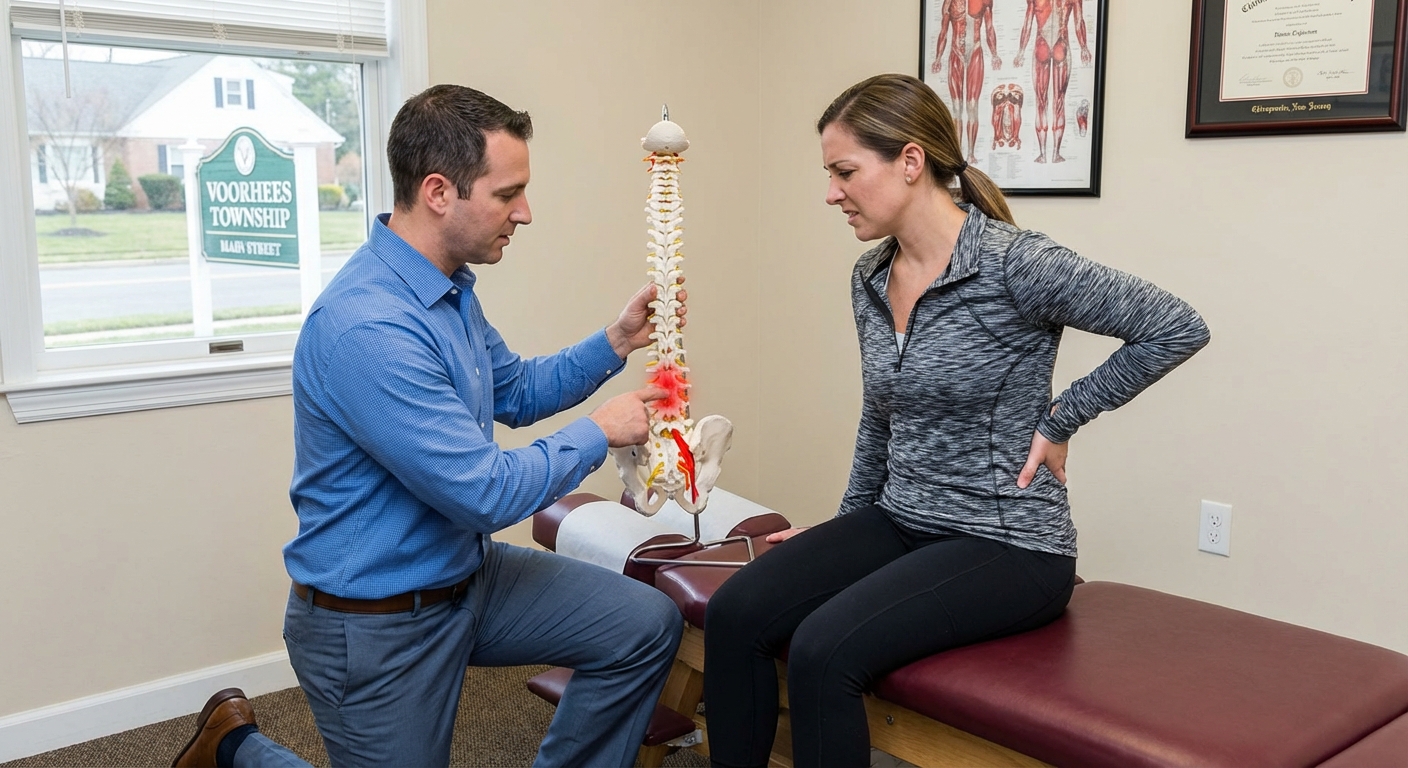
Chiropractic care doesn't mask the pain. It goes after the source. We're talking about realignment, decompression, and restoring function to a spine that's been throwing your body out of whack. If you've been limping through your day or avoiding certain movements because you know what's coming, it's time to look at what actually works — not what just gets you through the next few hours.
The Nerve Gets Pinched Somewhere Specific
Sciatica isn't random. That nerve runs from your lower back all the way down to your foot, and when something compresses it — a herniated disc, bone spur, or tight muscle — the pain follows the path. Most cases trace back to the lumbar spine, where a bulging disc or misaligned vertebra puts direct pressure on the nerve root. Other times, it's piriformis syndrome, where a deep muscle in your glutes clamps down on the nerve like a vise.
The pain can show up as a dull ache or a sharp jolt. Some people get numbness. Others lose strength in their leg or foot. And plenty of people deal with all of it at once. The point is, your body is telling you something's wrong — and it won't stop until the pressure comes off.
Pills and Rest Only Go So Far
Anti-inflammatories might take the edge off. Muscle relaxers might help you sleep. But neither one fixes the alignment issue or releases the nerve. You're managing symptoms, not solving the problem. And if you're relying on medication long-term, you're also dealing with side effects, dependency risks, and the reality that the pain will come back the second you stop taking them.
Rest has its place, but too much of it weakens the muscles that support your spine. You need movement — the right kind — to keep things stable. Lying flat for days might feel safer, but it's not a strategy. It's a stall.
Adjustments Target the Root Cause
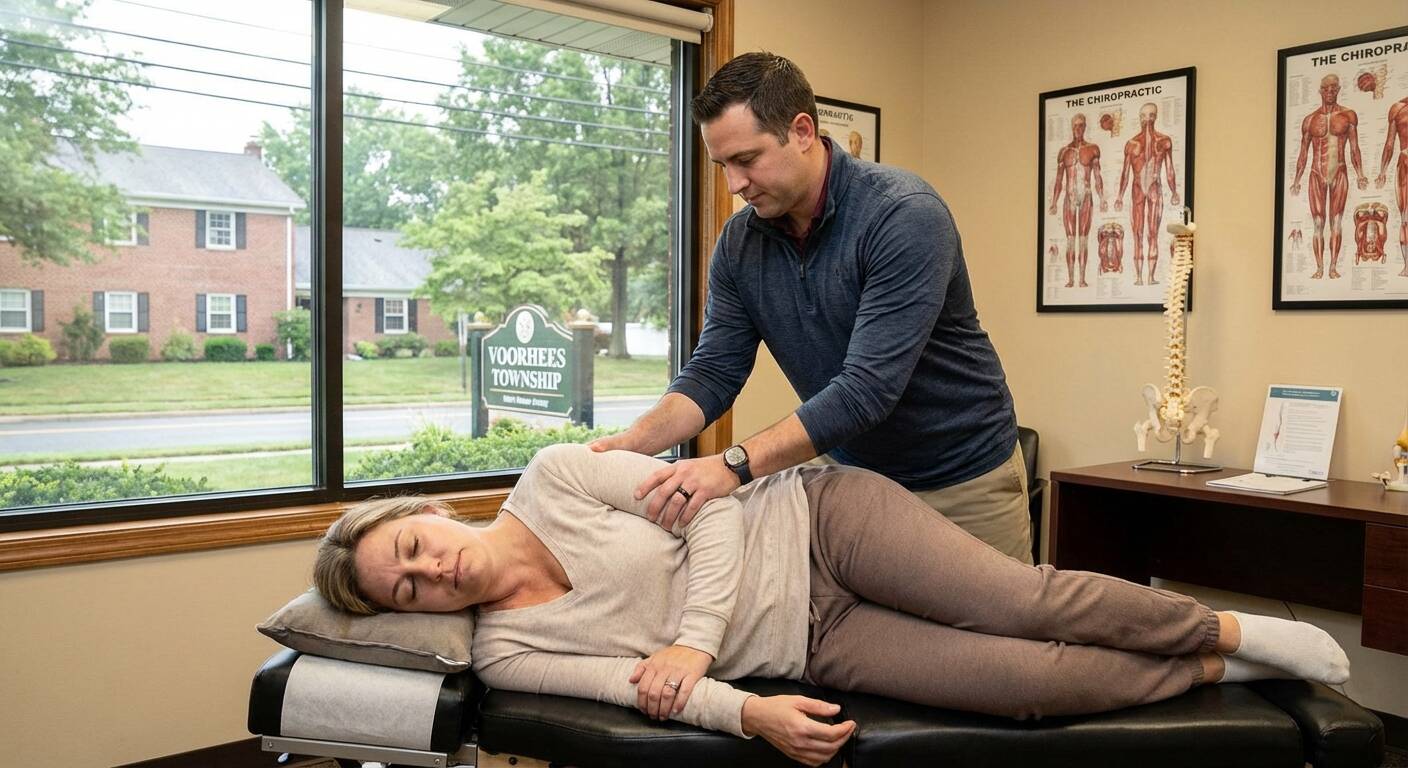
Chiropractors in Voorhees use spinal manipulation to realign vertebrae and reduce nerve interference. When a joint is out of place, it creates tension and inflammation. An adjustment restores proper motion, takes pressure off the nerve, and gives your body room to heal. It's not about cracking your back for the sake of it — it's about precision.
Every adjustment is based on where the dysfunction is. If your L4 or L5 vertebra is the culprit, that's where the work happens. If your pelvis is tilted and pulling everything out of alignment, that gets corrected too. The goal is to restore balance so the nerve can function without interference.
Soft Tissue Work Releases What's Locked Up
Tight muscles make everything worse. When your lower back or glutes are in spasm, they add compression to an already irritated nerve. Chiropractors use hands-on techniques to release trigger points, break up adhesions, and improve blood flow to the area. This isn't a spa massage — it's therapeutic work designed to restore function.
Myofascial release, deep tissue therapy, and instrument-assisted techniques all play a role. The more mobility you have in the surrounding tissue, the less strain on the nerve. And the less strain on the nerve, the less pain you're dealing with day to day.
What You Can Expect from Treatment
Your first visit will involve a full assessment. The chiropractor will ask about your symptoms, review your history, and perform orthopedic and neurological tests to pinpoint the source. Imaging might be ordered if there's a question about disc involvement or structural damage. From there, you'll get a treatment plan tailored to your specific case.
Sessions typically include adjustments, soft tissue work, and corrective exercises. You won't walk out pain-free after one visit — healing takes time — but most patients notice improvement within a few sessions. The key is consistency. Skipping appointments or half-committing to the plan means slower progress and higher chances of relapse.
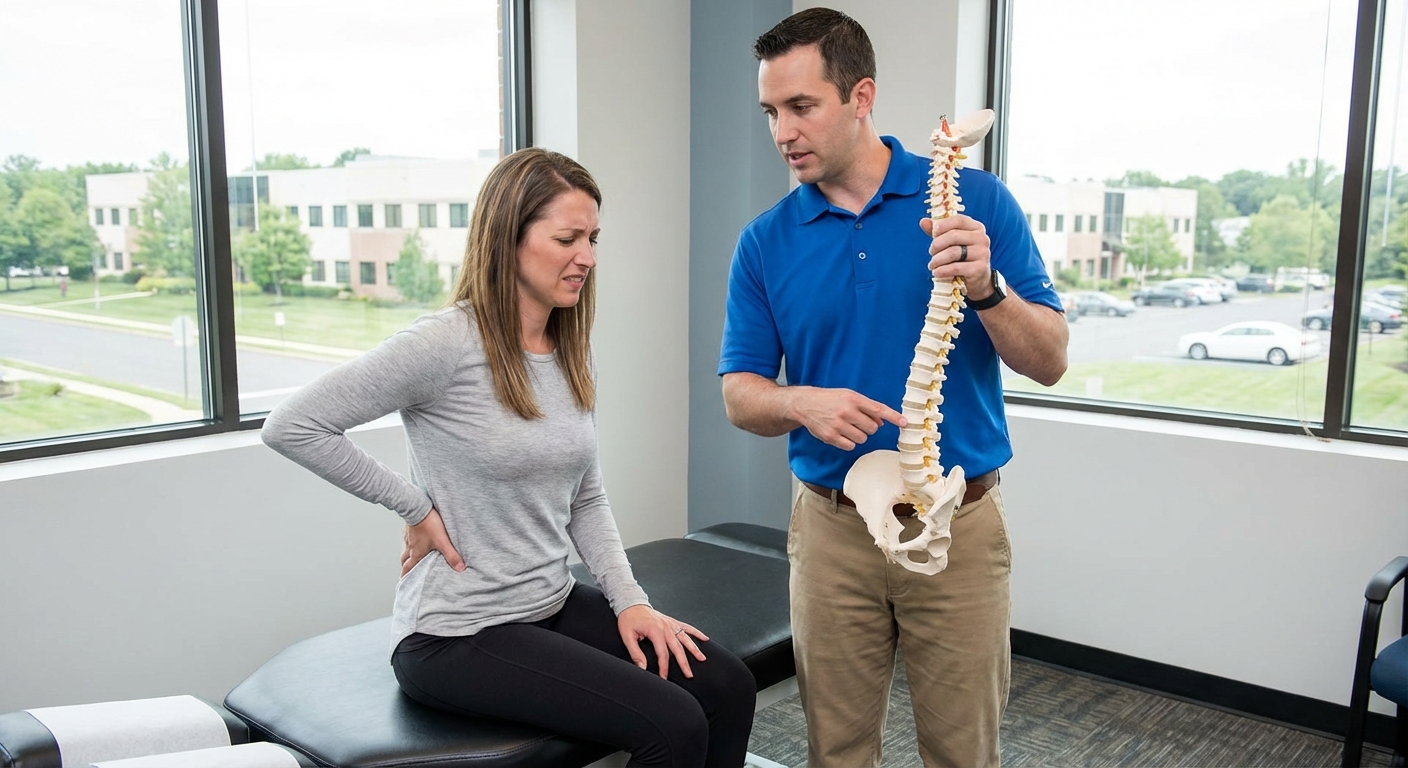
Why Chiropractic Care Works for Sciatica
- It addresses the structural cause, not just the pain
- No drugs, no surgery, no downtime
- Treatment is customized based on your specific nerve compression
- You'll learn exercises and habits that prevent future episodes
- Most patients see measurable improvement within weeks
Exercises Keep the Progress Going
Adjustments get you moving again, but exercises keep you there. Your chiropractor will prescribe stretches and strengthening movements that support spinal stability and reduce nerve tension. These aren't generic routines — they're based on your on your body's weak points and movement patterns.
Core strengthening is critical. A weak core means your spine has to compensate, which leads to misalignment and more pressure on the nerve. Hamstring and hip flexibility also matter. Tight hamstrings pull on your pelvis, which tilts your spine and compresses the lower back. Addressing these areas reduces the load on your sciatic nerve and keeps flare-ups at bay.
When to Consider Other Options
Chiropractic care works for most sciatica cases, but not all. If you have severe disc herniation with progressive weakness or loss of bowel and bladder control, you need immediate medical evaluation. Those are red flags for nerve damage that may require surgical intervention.
For everyone else — the vast majority of sciatica sufferers — chiropractic care is a safe, effective first line of defense. It's non-invasive, evidence-based, and focused on long-term results. If you've been told surgery is your only option, get a second opinion. Many cases that seem surgical respond well to conservative care when it's done right.
Common Mistakes That Make Sciatica Worse
- Sitting for hours without breaks or lumbar support
- Ignoring early symptoms until the pain becomes unbearable
- Relying solely on medication without addressing alignment
- Skipping exercises because they feel uncomfortable at first
- Assuming the pain will just go away on its own
Documentation Backs Up Your Progress
Good chiropractors track your improvement with objective measures — range of motion tests, pain scales, functional assessments. This isn't just for your records. It's proof that the treatment is working and a roadmap for adjusting the plan if needed.
If you're dealing with insurance, documentation matters even more. You'll need visit notes, treatment summaries, and progress reports to support your claims. Keep copies of everything. If your coverage requires pre-authorization or has visit limits, know those details upfront so there are no surprises.
What Voorhees Patients Should Look For
Not all chiropractors are the same. You want someone with experience treating sciatica specifically, not just general back pain. Ask about their approach, how many sessions they typically recommend, and what kind of results their patients see. If they can't give you clear answers, keep looking.
Check credentials, read reviews, and make sure they're willing to coordinate with your primary care doctor if needed. A good chiropractor won't promise overnight miracles, but they will give you a realistic timeline and a plan that makes sense for your condition.
Why Waiting Makes It Harder
- Nerve compression can lead to permanent damage if left untreated
- Chronic pain rewires your nervous system, making it harder to resolve
- Compensating for pain creates new problems in other areas
- Muscle atrophy from inactivity weakens your support system
- The longer you wait, the longer recovery takes
Your Lifestyle Plays a Role Too
Chiropractic care gets you back on track, but your daily habits determine whether you stay there. Sitting posture, lifting mechanics, sleep position — all of it matters. If you're slouching at a desk for eight hours a day, no amount of adjustments will keep your spine aligned.
Your chiropractor will give you ergonomic advice and movement cues that fit your routine. Follow them. The patients who see the best long-term results are the ones who take ownership of their recovery and make the necessary changes outside the treatment room.
Real Relief Comes from Real Solutions
Sciatica doesn't have to control your life. The pain is real, but so is the path to getting rid of it. Chiropractic care in Voorhees offers a proven, hands-on approach that targets the source of your nerve pain and gives your body the tools to heal. No guessing, no shortcuts, no hoping it goes away on its own. Just a clear plan, consistent treatment, and the kind of results that let you move through your day without wincing every time you stand up. Lower back pain relief is achievable when you address the underlying cause, and improving your posture through targeted care can prevent future episodes. If you're ready to take the next step, consider exploring decompression therapy as part of your comprehensive treatment plan.
Let’s Get You Moving Again
We know how frustrating it is to have your days dictated by sciatica pain. You don’t have to settle for temporary fixes or keep putting off the relief you deserve. Let’s work together to find a real solution that gets you back to doing what you love. Call us at 856-783-6789 or schedule your appointment and let’s start your path to lasting relief today.

‹ Back
Recent Posts
-

-
Can Chiropractic Care in Voorhees Help With Chronic Fatigue?
April 16, 2026
-

Are You Carrying Stress in Your Shoulders?
April 2, 2026
-

-

.png)